
Why Great Empires Collapse: Geopolitical Shifts in Al-Andalus and Mali
Introduction: The Fragility of Golden Ages 👑
Why do great empires collapse? While external military forces often deliver the final blow, history reveals a recurring truth: the ultimate destruction of formidable superpowers is triggered by internal fragmentation, institutional rigidity, and the failure to adapt to shifting global trade routes. By examining the tragic decline of Al-Andalus and the Mali Empire, we uncover the exact macroeconomic forces that govern systemic rise and fall.
In the medieval world, two radiant beacons of intellect and wealth defied the darkness of their eras. In the south of the Iberian Peninsula, the paved and illuminated streets of Cordova stood as a testament to scientific and architectural mastery. Miles away across the harsh dunes of the Sahara, the University of Sankore in Timbuktu housed over 25,000 students, proving that medieval Africa was the intellectual heartbeat of global commerce.
Yet, an unyielding civilizational truth remains: wealth without systemic flexibility is fleeting. These golden empires did not vanish overnight. They contracted, fractured, and ultimately succumbed to a combination of geopolitical mutations and what modern strategists define as "Strategic Amnesia".

1. Over-Optimization: When Success Becomes a Structural Trap 🧩
In the architecture of statecraft, the very systems designed to sustain an empire often become the primary drivers of its eventual ruin. This phenomenon, known as the complexity trap, occurs when a state over-optimizes its infrastructure around a single framework, sacrificing its long-term adaptability.
 The Agrarian and Trade Monopolies of Mali🪙
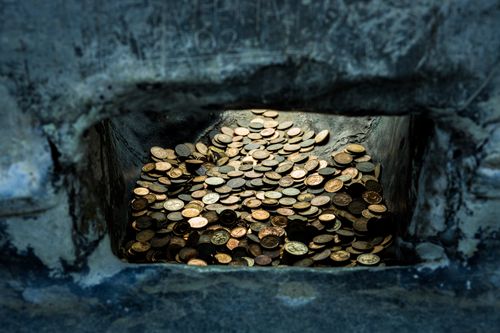
The Mali Empire built an economic superpower by controlling the two most critical trade commodities of the medieval world: gold and salt. Under Mansa Musa’s sophisticated administrative system, trade routes were tightly regulated, and secure provinces guaranteed absolute safety for global merchants. However, Mali’s sovereign stability became hyper-dependent on the continuous influx of trans-Saharan caravan revenues. When the external environment shifted, this hyper-optimized economic engine possessed zero autonomous resilience.
The Insulated Luxury of the Nasrids 🏰
Similarly, in the twilight of Islamic Spain, the Nasrid dynasty of Granada engineered a masterclass in delicate hydro-engineering and architectural beauty. Yet, as the ruling elite retreated into the magnificent, insulated bubble of the Alhambra, they prioritized administrative centralization and the appearance of strength over raw geopolitical adaptation. They became prisoners of their own cultural prestige, blind to the aggressive military and fiscal consolidation happening just beyond their mountain stronghold.
2. The Severed Arteries: How Shifting Global Trade Routes Destroy Sovereignty 🗺️
Supply chains are the invisible infrastructure of sovereignty. Whosoever controls the conduits of global exchange controls the destiny of civilization. When these arteries are congested or bypassed, the social contract begins to dissolve.
FAQ: Frequently Asked Questions by Strategists ❓
Question: What caused the sudden economic decline of the Mali Empire?
Answer: The economic decline of Mali was primarily caused by the European Age of Discovery. As Portuguese maritime powers established direct oceanic trade routes along the Atlantic coast, they systematically bypassed the historic, land-based trans-Saharan caravan routes, permanently draining the wealth from central African trade hubs like Timbuktu.
Question: Did Al-Andalus collapse solely due to foreign invasions?
Answer: No. Foreign pressure merely delivered the final blow to an institutional architecture that had already spent decades fracturing from within. The collapse of the unified Umayyad Caliphate into localized, competing Taifa kingdoms severed the regional logistics and economic connectivity that had originally fueled Cordova’s zenith.
3. Strategic Amnesia: The Fatal Loss of Institutional Memory 🧠
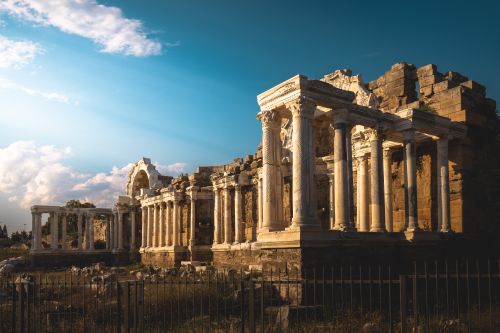
The great philosopher Ibn Khaldun observed in his monumental Muqaddimah that as an empire matures and grows in luxury, the original Asabiyyah (social cohesion) inevitably begins to fray. The new elites, having only known stability and opulence, mistake their current success for an immutable law of nature. They abandon administrative equity, succumb to bureaucratic bloat, and allow internal friction to cannibalize the state.
When the ruling authorities of Mali and Al-Andalus stopped relying on genuine societal cohesion and instead outsourced their core security to unreliable foreign mercenaries, they programmed their own obsolescence. They lost their "Architecture of Memory," repeating the exact fiscal and political mistakes that brought down the Western Roman Empire and the Han Dynasty before them.
Conclusion: The Modern Lesson of Perishable Statehood 🌍
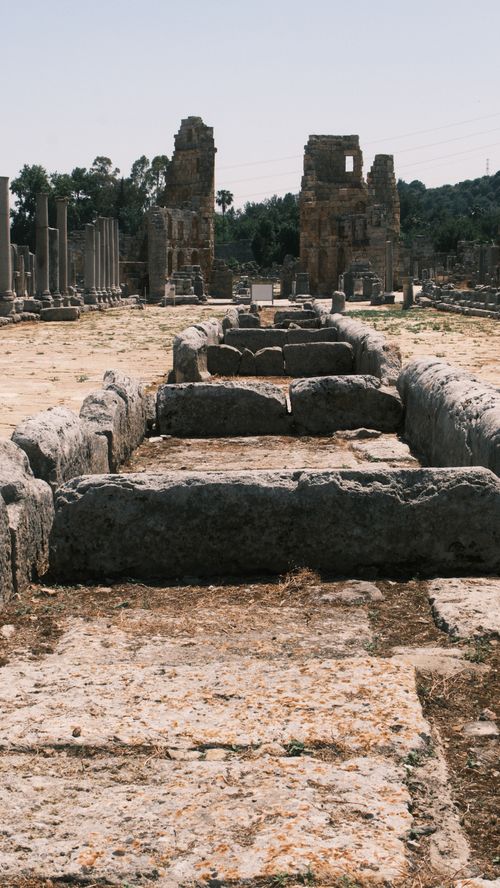
The historical trajectories of Al-Andalus and Mali confirm a sobering geopolitical warning for the modern world: statehood is a perishable commodity. Intellectual brilliance, physical infrastructure, and staggering gold reserves are entirely insufficient for long-term survival if political institutions lack the flexibility to handle environmental shocks and macroeconomic mutations.
Whether navigating the complexities of 14th-century trade or the digital, automated landscape of the 21st century, the rules of strategic endurance remain unchanged. True resilience is found in redundancy, localized adaptability, and the continuous defense of your material and intellectual foundations.
Deepen Your Strategy: From the Scribe’s Library 🏛️
If the structural forces, macroeconomic patterns, and geopolitical lessons of imperial decay resonate with you, explore the definitive volume designed for the modern strategist:
Book Title: The Anatomy of Collapse: Why Great Empires Fall and What It Means for Today
By The Scribe's Archive
Deconstruct the exact administrative, fiscal, and social vulnerabilities that brought down the ancient world's most formidable entities. From currency debasement to elite tax evasion, this comprehensive blueprint equips modern leaders, thinkers, and strategists with the critical insights necessary to decode present institutional realities and accurately anticipate the systemic shifts of the future.
👉 To purchase your copy of the book on Amazon, click here:
amazon.com
🎧 Prefer Listening? Get a special trial offer of Audible and listen to these historical masterpieces on the go!
The Collapse of Complex Societies 🏛️- By: Joseph Tainter
- About the Book: A foundational masterpiece in academic archaeology and systemic decay. Tainter deconstructs how ancient civilizations exhaust their resources and collapse under the unbearable weight of their own institutional complexity and bureaucratic bloat.
- 👉 Get your premium copy from Amazon
Principles for Dealing with the Changing World Order: Why Nations Succeed and Fail 📉- By: Ray Dalio
- About the Book: A macroeconomic and geopolitical deep-dive by legendary investor Ray Dalio. He maps out the "Big Cycle" that has governed the dramatic rise and tragic fall of global empires over the last 500 years, focusing on debt cycles, wealth gaps, and shifting trade structures.
- 👉 Get your premium copy from Amazon
The Fate of Empires and Search for Survival 🌍- By: Sir John Glubb
- About the Book: A timeless strategic essay tracking the fixed lifespan of world superpowers. Glubb demonstrates how civilizations predictably transition from the glorious age of pioneers and trade expansion to the hollow age of luxury, intellect, and ultimate internal decay.
- 👉 Get your premium copy from Amazon
🛒 Support Our Research: You can check out these books and support our archive directly through our Amazon Affiliate Link.
🎥 Watch Our Documentaries: For high-quality, cinematic historical storytelling, subscribe to our official The Scribe's Archive YouTube Channel.
Connect With THE SCRIBES ARCHIVE


Comments
Post a Comment